

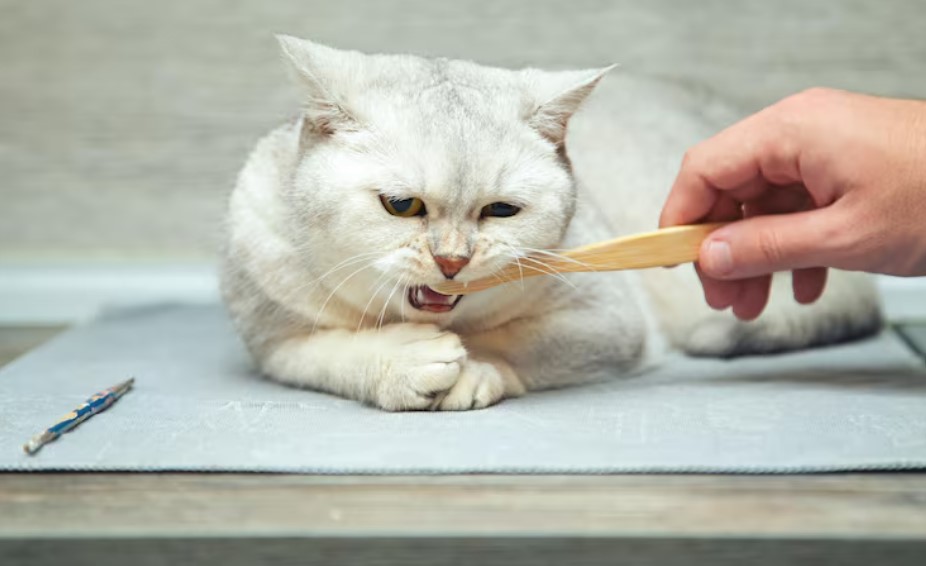
Your cat may come running the second they hear the treat bag open. But if those favorite soft treats for cats are part of the daily routine, you may wonder whether they are actually helping or hurting your cat’s teeth.
Soft treats are easy to chew and can be useful for training, bonding, medication routines, and older cats that struggle with harder foods. The problem is that softness alone does not make a treat good for dental health.
Cats are already prone to oral problems. Cornell University College of Veterinary Medicine reports that 50% to 90% of cats older than four have some form of dental disease.
So, should you stop giving your cat soft treats? Not necessarily. The smarter approach is to understand what soft treats do, what they do not do, and how to build a better dental-care routine around them.
Quick Answer: Are Soft Treats Bad for Cat Teeth?
Not automatically.
Most soft treats for cats are designed for taste and easy chewing, not for removing plaque. A soft texture may be perfect for a picky cat or one with sensitive teeth, but it usually does not provide the same mechanical cleaning action associated with certain dental diets or dental treats.
That means the real issue is not simply “soft versus crunchy.”
It is whether your cat’s overall routine includes effective plaque control.
The Veterinary Oral Health Council recommends daily oral hygiene, with tooth brushing considered the gold standard. It also recognizes specific products that have demonstrated plaque or tartar control and earned its Seal of Acceptance.
Why Your Cat’s Teeth Need More Attention
Cats can hide dental pain surprisingly well.
A cat may continue eating, playing, and acting normally even while dealing with painful teeth or gums. That makes dental problems easy to overlook.
Common feline dental conditions include:
-
Gingivitis
-
Periodontal disease
-
Tooth resorption
-
Inflamed or bleeding gums
-
Plaque and tartar buildup
Plaque begins as a bacterial film on the teeth. If it is not regularly removed, it can harden into tartar and contribute to gum inflammation. Untreated periodontal disease can damage the tissues supporting the teeth and eventually lead to tooth loss.
Tooth resorption is another major concern. Cornell notes that it can affect an estimated 20% to 60% of cats, with the condition becoming especially common in older cats.
So if your cat suddenly prefers soft food or treats, do not automatically assume they are simply becoming picky.
Sometimes, that preference can be a sign that chewing hurts.
Where Soft Treats for Cats Fit In
Soft treats have a legitimate place in a cat’s routine.
They can be useful when you want to:
-
Reward good behavior
-
Encourage a cat during training
-
Make grooming easier
-
Help with medication routines
-
Build positive associations with handling
-
Offer an easy-to-chew reward to an older cat
The important point is that regular soft treats should not be treated as a substitute for dental care.
Think of them as a reward, not a toothbrush.
If your cat receives several treats every day but never gets dental care, simply switching brands may not solve the underlying problem.
Are Crunchy Treats Automatically Better?
This is where things get confusing.
You might assume that any crunchy cat treat will scrape plaque away. That is not necessarily true.
A product’s dental benefit depends on its formulation, size, texture, feeding method, and evidence supporting its dental claim.
The VOHC maintains a list of accepted cat dental products. Its current cat listings include specific dental diets and edible treats that have earned acceptance for plaque and/or tartar control.
That gives pet parents a useful rule:
Do not choose a treat simply because it feels crunchy. Look for evidence.
A regular crunchy snack and a tested dental product are not automatically the same thing.
What to Look for in the Best Soft Cat Treats
If your cat loves soft rewards, you do not have to remove them completely.
Instead, look for treats that fit your cat’s overall nutritional needs.
1. Keep portions small
Treats should complement your cat’s regular diet rather than replace it.
A tiny treat can still provide the reward your cat wants without turning every interaction into a large calorie boost.
This matters especially for indoor cats or cats that are less active.
2. Check the ingredient list
Look for a straightforward ingredient list that matches your cat’s dietary needs.
Avoid choosing a treat based only on words such as “natural,” “premium,” or “healthy.” Those marketing terms do not automatically tell you whether the product is appropriate for your cat.
3. Match the texture to your cat
A cat with healthy teeth may happily eat a crunchy treat.
A cat with dental discomfort may prefer something soft.
If your cat suddenly changes from crunchy food to soft food, however, pay attention. Cornell lists reluctance to eat hard food, drooling, bad breath, and other eating changes among possible signs of dental disease.
4. Do not expect ordinary treats to clean teeth
This is one of the biggest mistakes pet parents make.
Unless the product has evidence for dental effectiveness, consider it a snack rather than a dental-care product.
What About Treats for Cats With Kidney Disease?
This is where treat selection becomes more important.
If you are searching for treats for cats with kidney disease, do not choose a product simply because your cat likes it.
Cats with chronic kidney disease often need dietary adjustments, including controlled protein, phosphorus, and sodium levels. Cornell recommends working closely with a veterinarian to select an appropriate therapeutic diet.
That means an ordinary treat may not fit your cat’s kidney-care plan.
Before adding treats, ask your veterinarian:
-
How many treats can my cat have each day?
-
What phosphorus level should I look for?
-
Does the treat fit the prescribed diet?
-
Should I use part of the cat’s regular food as a reward instead?
For some cats, using small portions of their approved therapeutic food as rewards may be a simpler option.
And there is another important point: cats with kidney disease should not be allowed to stop eating simply because you are trying to make their diet “perfect.” Cornell emphasizes that maintaining food intake is important during dietary transitions.
Signs Your Cat May Have a Dental Problem
Your cat cannot tell you, “My tooth hurts.”
You have to look for changes.
Watch for:
-
Bad breath
-
Red or swollen gums
-
Drooling
-
Pawing at the mouth
-
Dropping food
-
Chewing differently
-
Turning the head while eating
-
Avoiding harder food
-
Eating less
-
Weight loss
-
Loose or missing teeth
Some cats simply become quieter about eating.
If you notice a sudden change in how your cat eats or chews, schedule a veterinary examination rather than trying to solve the problem by switching treats.
Cornell notes that definitive dental evaluation may require anesthesia, dental probing, and full-mouth X-rays because some problems cannot be fully assessed from a simple visual examination.
A Better Daily Dental Routine for Your Cat
You do not need to make dental care complicated.
Start with a routine you can actually maintain.
Step 1: Inspect the mouth
When your cat is relaxed, gently lift the lips and look at the teeth and gum line.
Do not force the mouth open.
Look for redness, swelling, heavy tartar, bleeding, or anything that looks unusual.
Step 2: Introduce feline toothpaste
Never use human toothpaste for your cat. Cornell specifically recommends toothpaste or tooth gel designed for cats.
Let your cat taste a small amount first.
The goal is to make the experience familiar rather than turning it into a wrestling match.
Step 3: Introduce the toothbrush slowly
Give your cat time to become comfortable with the brush.
You can start by touching the brush to the outside of the teeth for only a few seconds.
Then gradually increase the brushing time.
Step 4: Make consistency the goal
Daily brushing is the ideal target.
The VOHC notes that regular brushing is highly effective for maintaining oral health and that any regular brushing is better than none.
If daily brushing is not realistic at first, start with a manageable schedule and build from there.
Step 5: Add evidence-based dental products when appropriate
If your cat refuses brushing, talk to your veterinarian about other options.
The VOHC maintains a list of accepted feline dental products, including certain dental diets, edible treats, water additives, gels, powders, toothbrushes, and wipes.
That makes the VOHC Seal a useful starting point when comparing dental products.
Soft Treats vs. Dental Treats
Here is the simple distinction:
|
Treat Type |
Main Purpose |
Dental Benefit |
|
Soft everyday treat |
Reward and enjoyment |
Usually limited |
|
Crunchy everyday treat |
Reward and enjoyment |
Not automatically proven |
|
Dental treat |
Oral-care support |
May help if specifically tested and accepted |
|
Therapeutic dental diet |
Daily nutrition + dental support |
Can provide documented dental benefits |
|
Brushing |
Plaque removal |
Gold-standard home care |
The key is not to make one treat do every job.
Your cat can enjoy a soft treat while you use brushing or an evidence-based dental product for oral care.
How to Choose the Best Soft Cat Treats
When shopping for the best soft cat treats, use this quick checklist.
Choose treats that:
-
Fit your cat’s age and health needs
-
Have an appropriate calorie level
-
Match any veterinary diet
-
Have ingredients your cat tolerates
-
Are easy for your cat to chew
-
Can be given in controlled portions
-
Come from a reputable manufacturer
Be more careful when:
-
Your cat has kidney disease
-
Your cat has diabetes
-
Your cat is overweight
-
Your cat has food allergies
-
Your cat has known dental disease
-
Your cat has recently stopped eating hard food
For cats with medical conditions, your veterinarian should have the final say on suitable treats.
One Simple Rule to Remember
Here is the easiest way to think about it:
Soft treats are not the enemy. Ignoring dental care is the bigger problem.
Your cat can enjoy a soft reward without you feeling guilty about every bite.
Just make sure treats are part of a bigger routine that includes appropriate nutrition, regular dental care, and veterinary checks.
And if your cat suddenly starts preferring soft treats when they previously loved crunchy food, do not ignore the change.
That little preference could be telling you something.
Give Your Cat the Treat Without the Dental Guilt
You do not have to choose between making your cat happy and protecting their teeth.
Let your cat enjoy their favorite soft treats for cats, but keep treats in their proper role. Use them for rewards and bonding, while brushing and appropriate dental products handle the actual dental-care job.
If your cat has bad breath, red gums, drooling, trouble chewing, or a sudden preference for soft food, make the next step a veterinary dental check.
And when you are choosing everyday rewards, look beyond the flavor your cat loves. Check the ingredients, portion size, nutritional fit, and your cat’s individual health needs.
A good treat should make your cat happy today without creating problems tomorrow.
Frequently Asked Questions
Are soft treats for cats bad for their teeth?
Not necessarily. Soft treats are generally designed as rewards rather than dental-cleaning products. They should not replace brushing or proven dental-care products.
Can soft treats clean a cat’s teeth?
You should not assume they do. Unless a product has demonstrated dental effectiveness, treat it as a snack rather than a dental-care product.
What are the best soft cat treats for older cats?
Choose a soft treat that your cat can comfortably chew and that fits their nutritional needs. If an older cat suddenly needs softer food, have their teeth checked because dental disease is common in senior cats.
What treats for cats with kidney disease are safe?
There is no single treat that is right for every cat with kidney disease. Treats need to fit the cat’s overall diet, especially its protein, phosphorus, sodium, and calorie needs. Ask your veterinarian before adding regular treats.
How often should I brush my cat’s teeth?
Daily brushing is the ideal goal. The VOHC considers brushing the gold standard for home dental care and recommends regular oral hygiene.