

Housing stress is often discussed in financial terms, but it extends far beyond affordability. In Singapore, where homeownership is a long-term commitment, stress frequently arises from how well a home continues to support daily life over time. Increasingly, residential flexibility has emerged as a powerful factor in reducing long-term housing stress.
Housing stress develops when a mismatch forms between a home’s design and its occupants’ needs. This mismatch may be gradual, driven by changing work patterns, family dynamics, or lifestyle priorities. Rigid homes amplify this stress by offering limited options for adaptation.
Flexible homes, by contrast, absorb change. They allow residents to adjust without disruption, preventing stress from accumulating.
Everyday Stress and Spatial Friction
Small design limitations can create daily frustration. A room that no longer fits its purpose, insufficient space for work, or awkward layouts can turn routine activities into sources of irritation. Over time, this friction contributes significantly to housing-related stress.
Flexible layouts reduce this friction. Spaces can be repurposed, rebalanced, or reorganized without structural changes. Residents regain a sense of ease in their environment.
Developments such as Vela Bay address this by prioritizing layouts that remain functional across different routines. This adaptability supports smoother daily living and lowers stress levels.
Life Transitions Without Disruption
Major life transitions are often the biggest triggers of housing stress. Marriage, children, caregiving responsibilities, or changes in employment can quickly expose the limitations of inflexible homes.
Flexible homes soften these transitions. Instead of forcing immediate decisions, residents can adapt incrementally. This reduces emotional pressure and allows families to adjust at their own pace.
The ability to stay put during transitions is a powerful stress reducer, particularly in a market with high transaction costs.
Environmental Stress and Community Support
Stress is also shaped by the surrounding environment. Long commutes, lack of green space, and poor access to amenities contribute to fatigue and burnout.
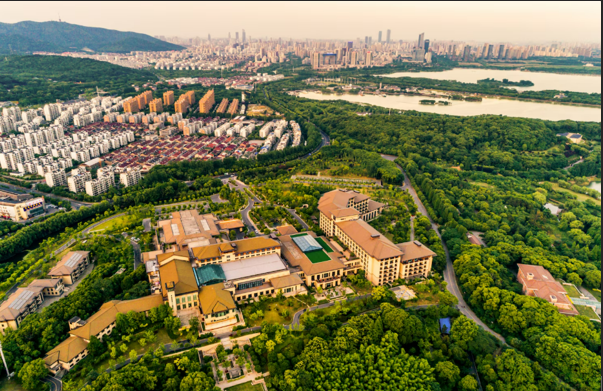
Tengah Garden Residences demonstrates how thoughtful community planning can reduce environmental stress. Walkable access to essentials, green corridors, and shared facilities supports healthier routines and reduces daily strain.
When residents can meet many needs within their immediate environment, housing stress decreases significantly.
Financial Stress and Adaptability
Financial stress often arises from uncertainty. Homes that require frequent upgrades or force relocation introduce unpredictable costs. Flexible homes reduce this uncertainty by extending usability.
Owners experience fewer surprise expenses and feel more secure in their long-term financial planning. This financial predictability contributes directly to reduced stress and improved well-being.
Psychological Relief Through Control
At its core, stress is about loss of control. Flexible homes restore control by giving residents options. When people feel empowered to shape their living environment, stress diminishes.
This psychological relief strengthens attachment to the home and improves overall quality of life.
Conclusion
Housing stress is not inevitable. It is often the result of inflexible design and environments that fail to adapt. Residential flexibility reduces stress by supporting change, restoring control, and preserving stability.
As Singaporeans hold homes longer and face increasingly dynamic lives, flexibility will play a crucial role in creating healthier, more resilient living environments.